Why Gen Z Is Choosing Film Photography for Their Wedding (And How to Find the Right Photographer)
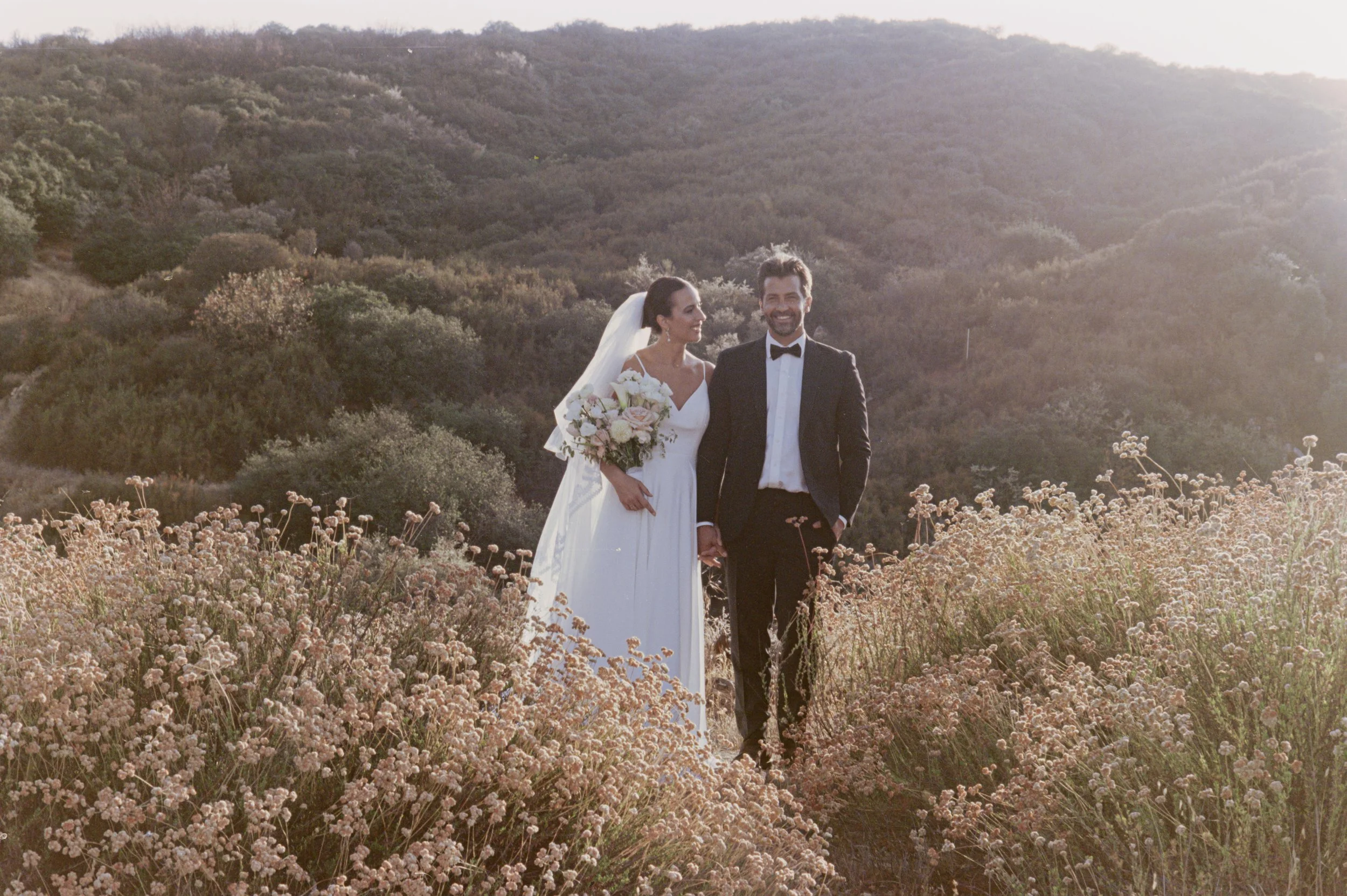
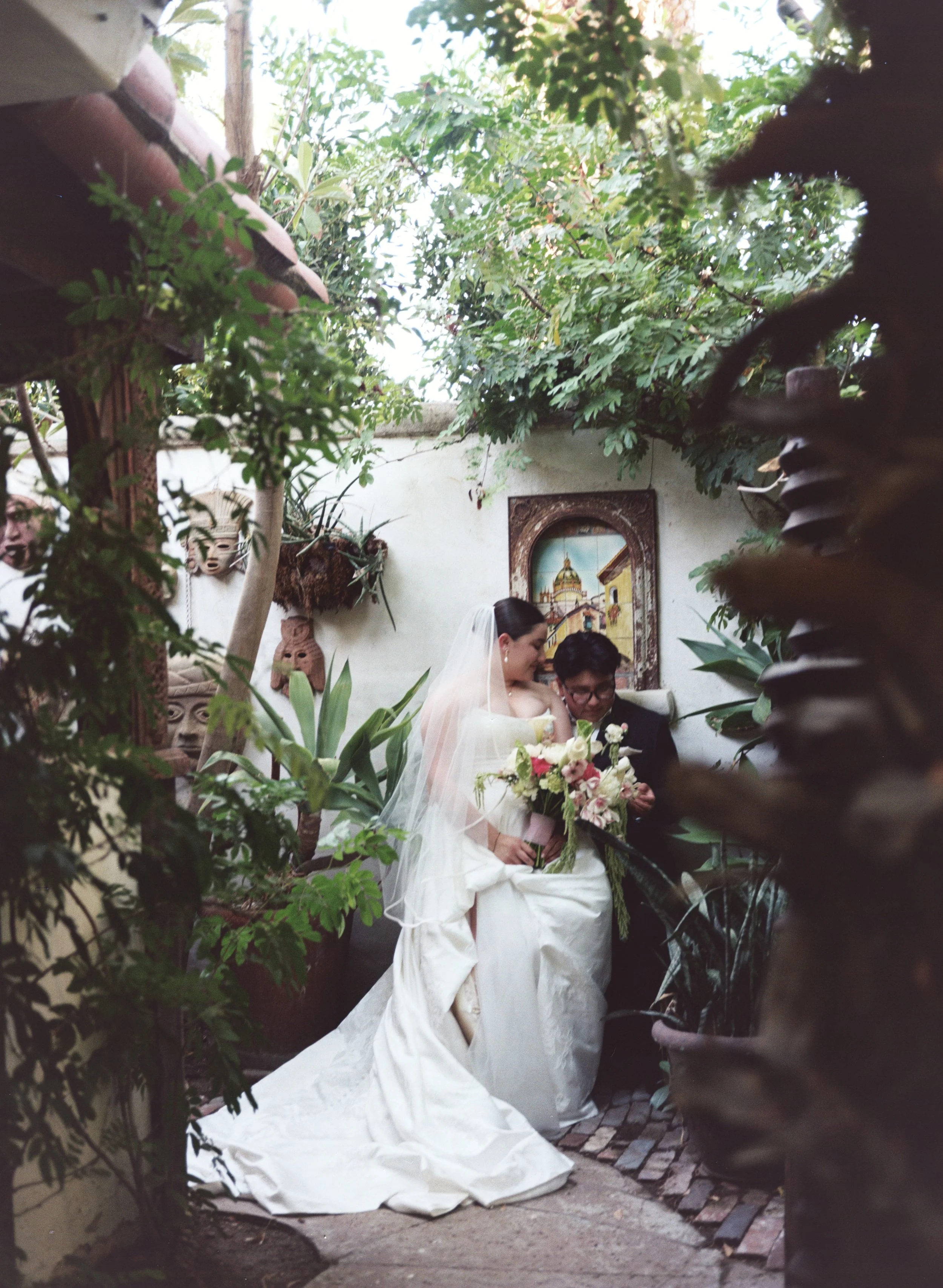
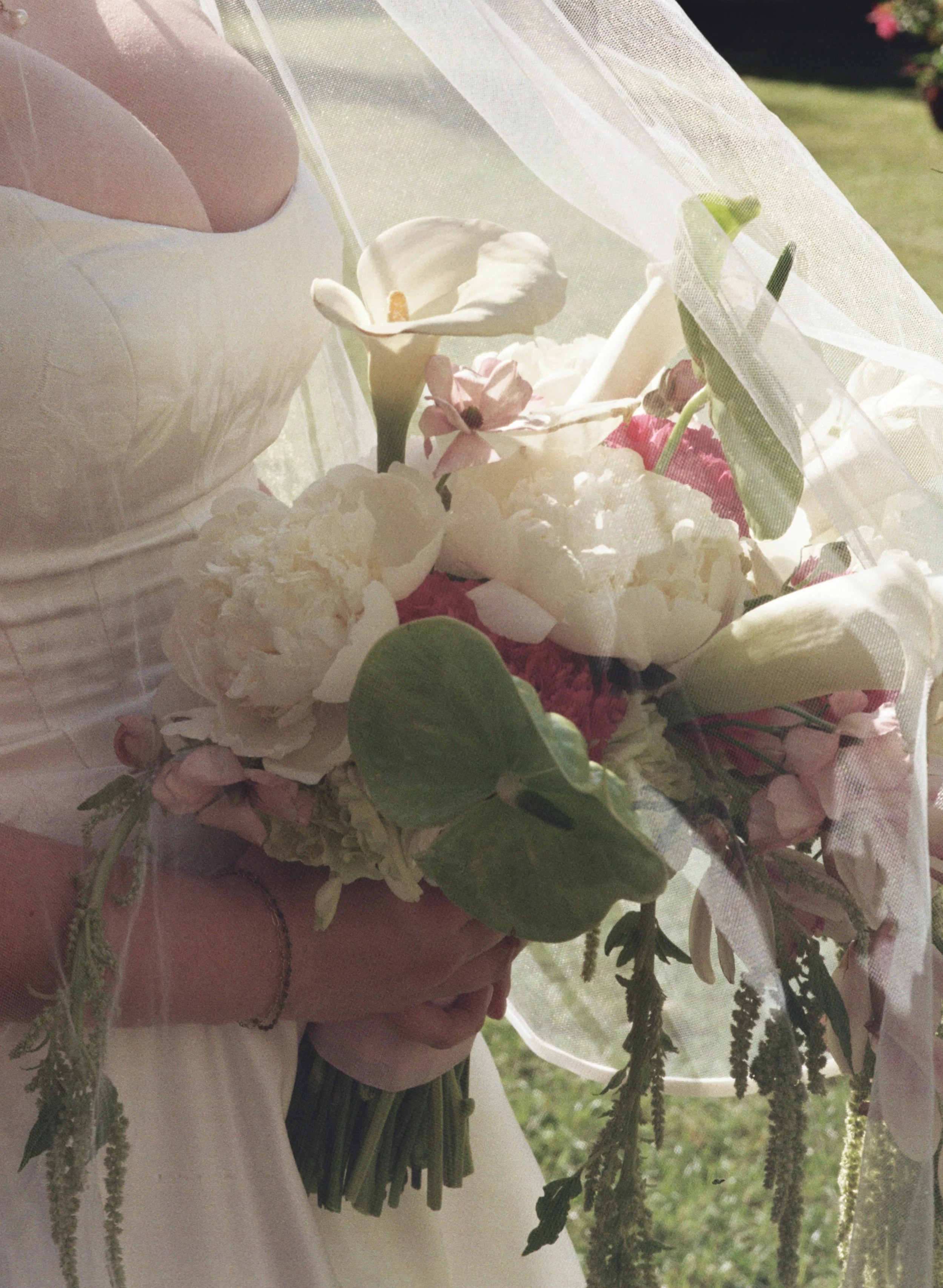
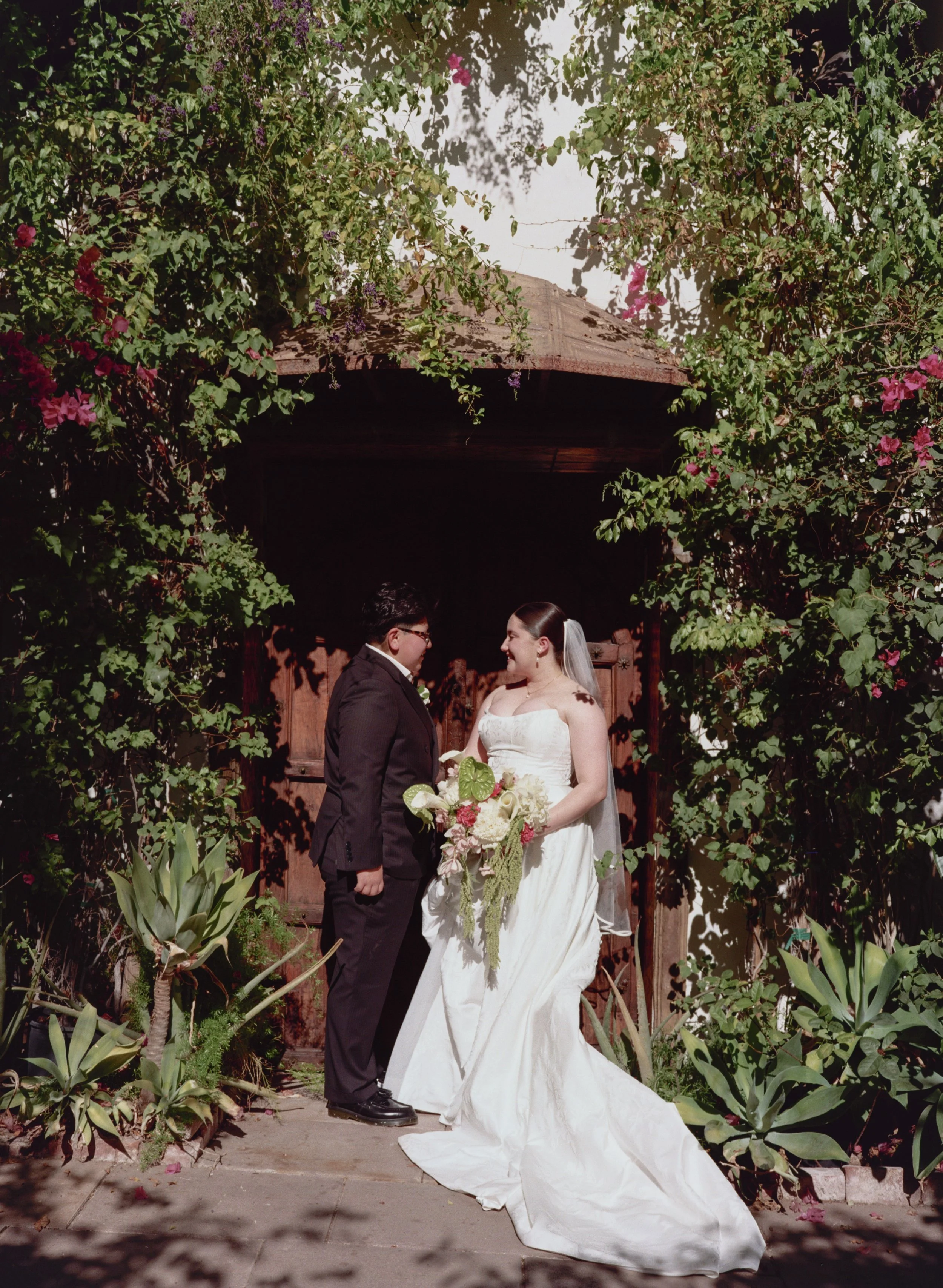
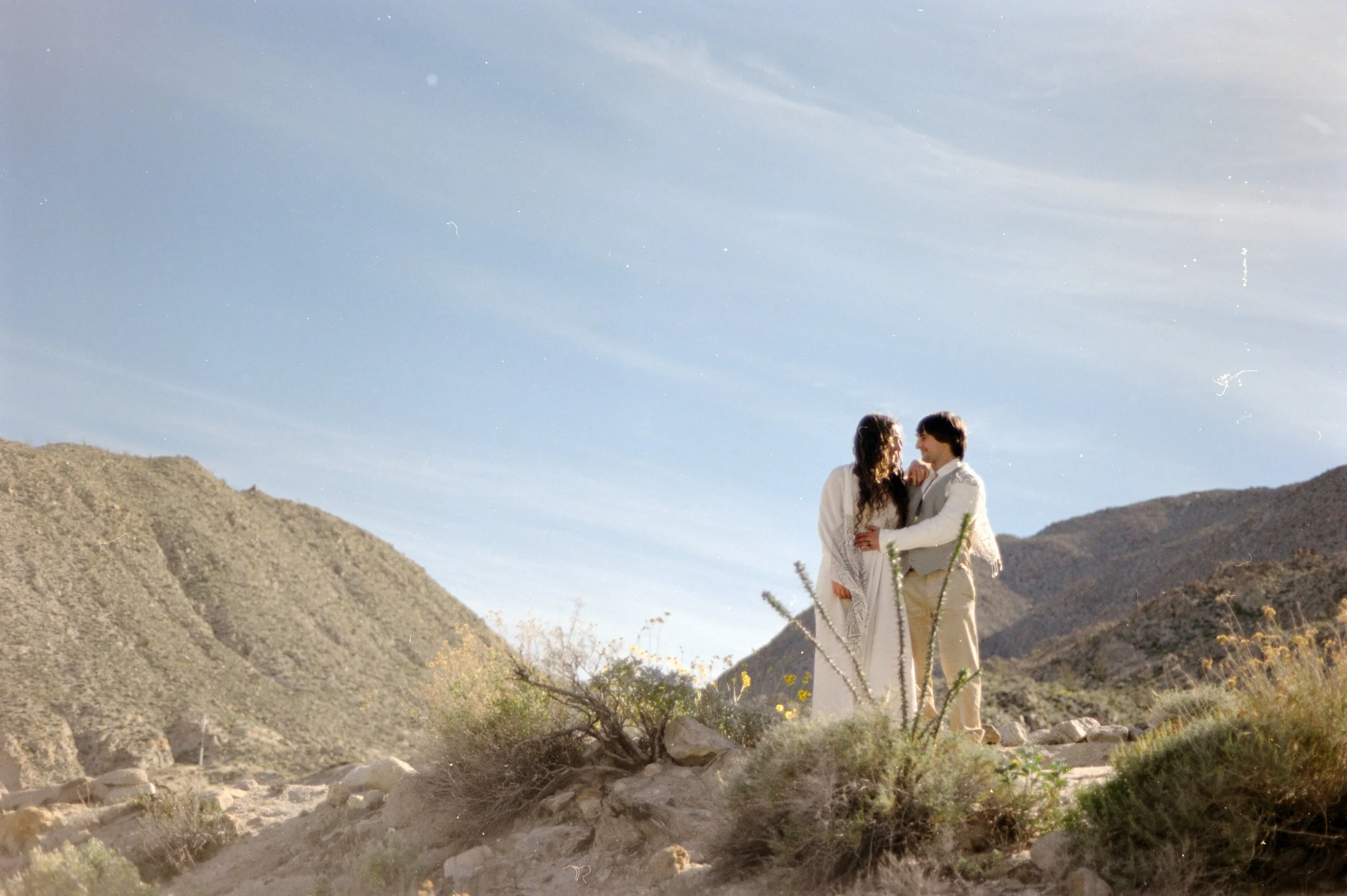
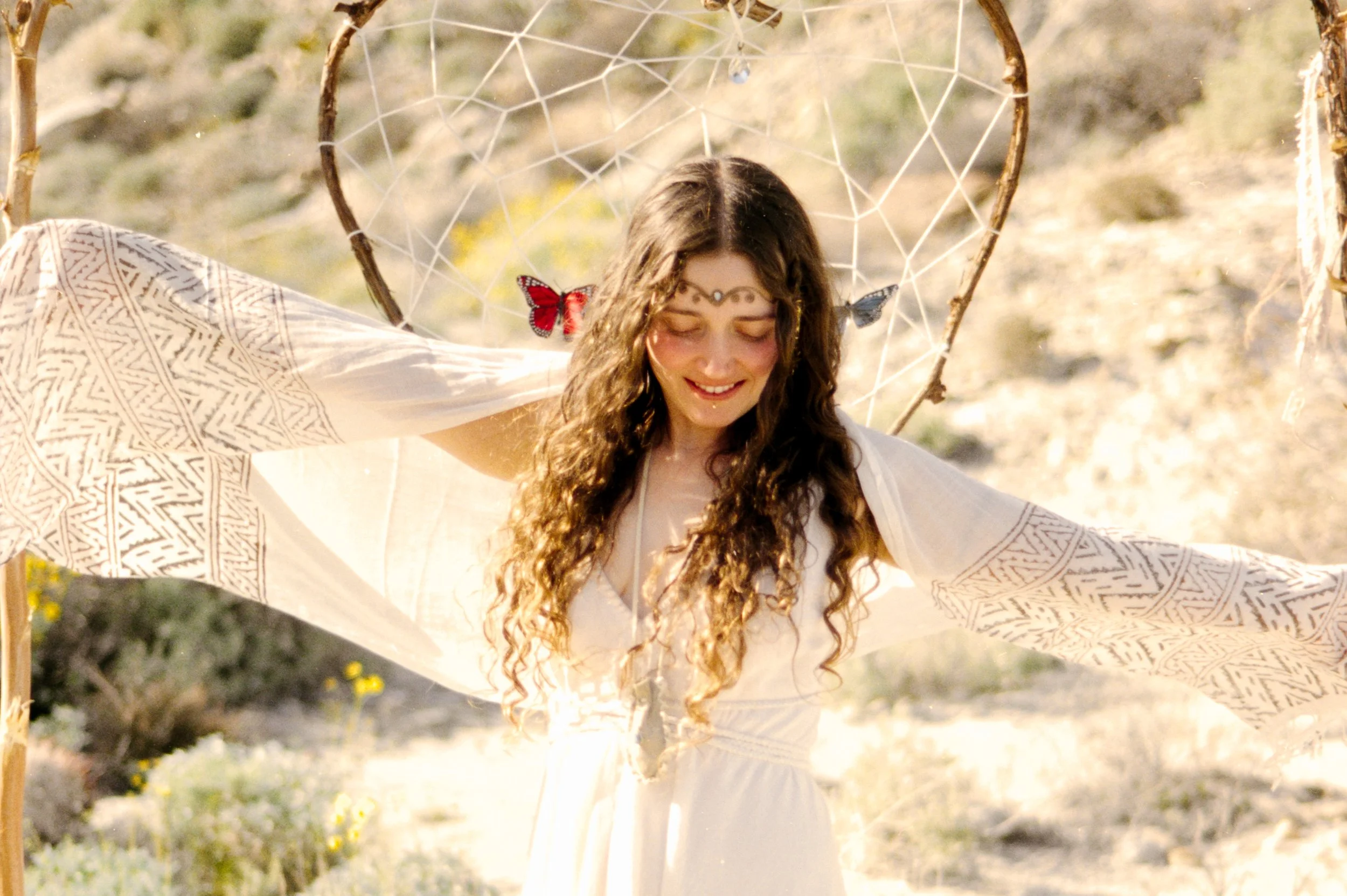
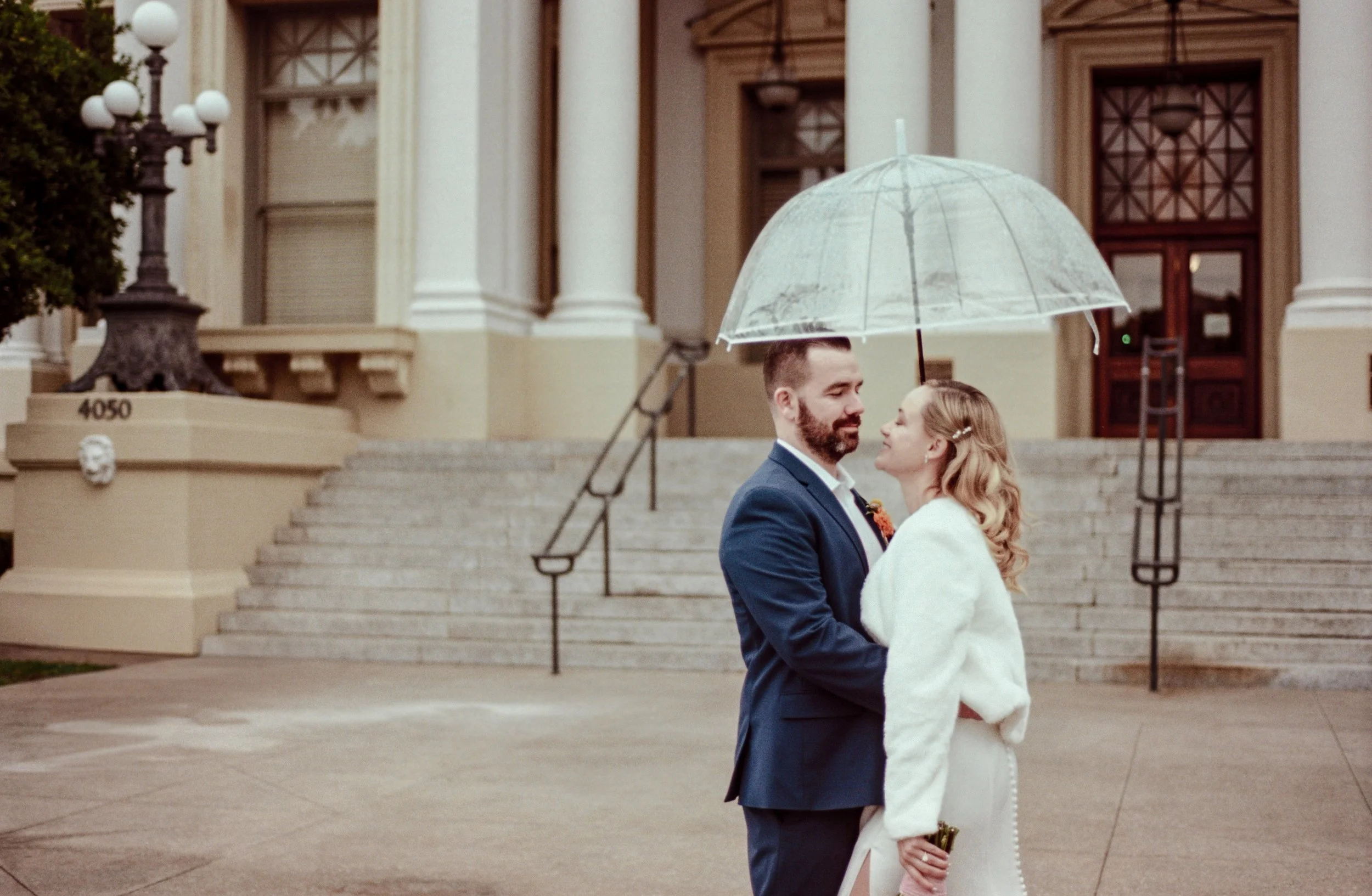
There's a specific quality to film photographs that's difficult to describe precisely. The skin tones are warmer. The highlights are softer. The grain isn't noise — it's texture. The images don't look processed; they look lived in. Like something that already happened and mattered.
Gen Z noticed. And they've been asking for it.
Wedding photography trends move slowly — but this one has real staying power, and it's worth understanding why. This post is for couples who are drawn to film but aren't sure exactly what it means, what they're paying for, and how to find a photographer who actually knows how to do it well.
Why Film is Having a Moment with Gen Z
It starts with the cultural context. Gen Z grew up in the era of infinite digital images — a phone with 40,000 photos, filters that can make any picture look like anything, AI that can generate an image of anything you can describe. In that environment, film photography has become the opposite: intentional, finite, unmanipulated. Real.
The analog revival isn't new — vinyl records, film cameras, instant photography have all been cycling back into cultural relevance for years. But for Gen Z couples planning their weddings, the choice of film photography is often less about nostalgia (they didn't grow up with film) and more about what it represents: slowness, craft, authenticity, and images that look like nothing else.
There's also an aesthetic dimension. Gen Z couples are extremely visually literate — they grew up with Tumblr, Pinterest, Instagram, and TikTok. They can tell immediately when an image has been over-processed. They know what the warm grain of 35mm film looks like versus a digital filter that approximates it. They want the real thing.
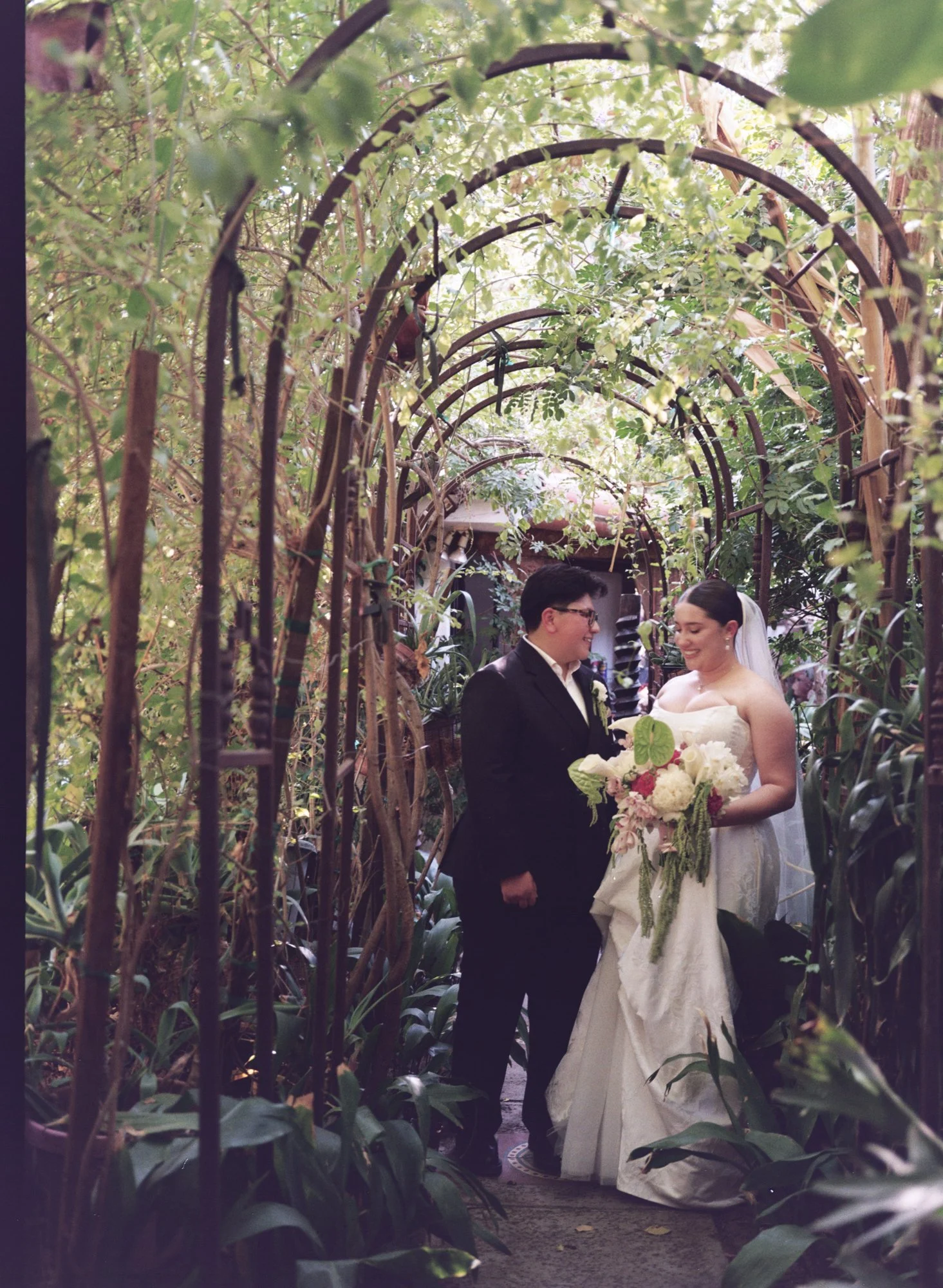
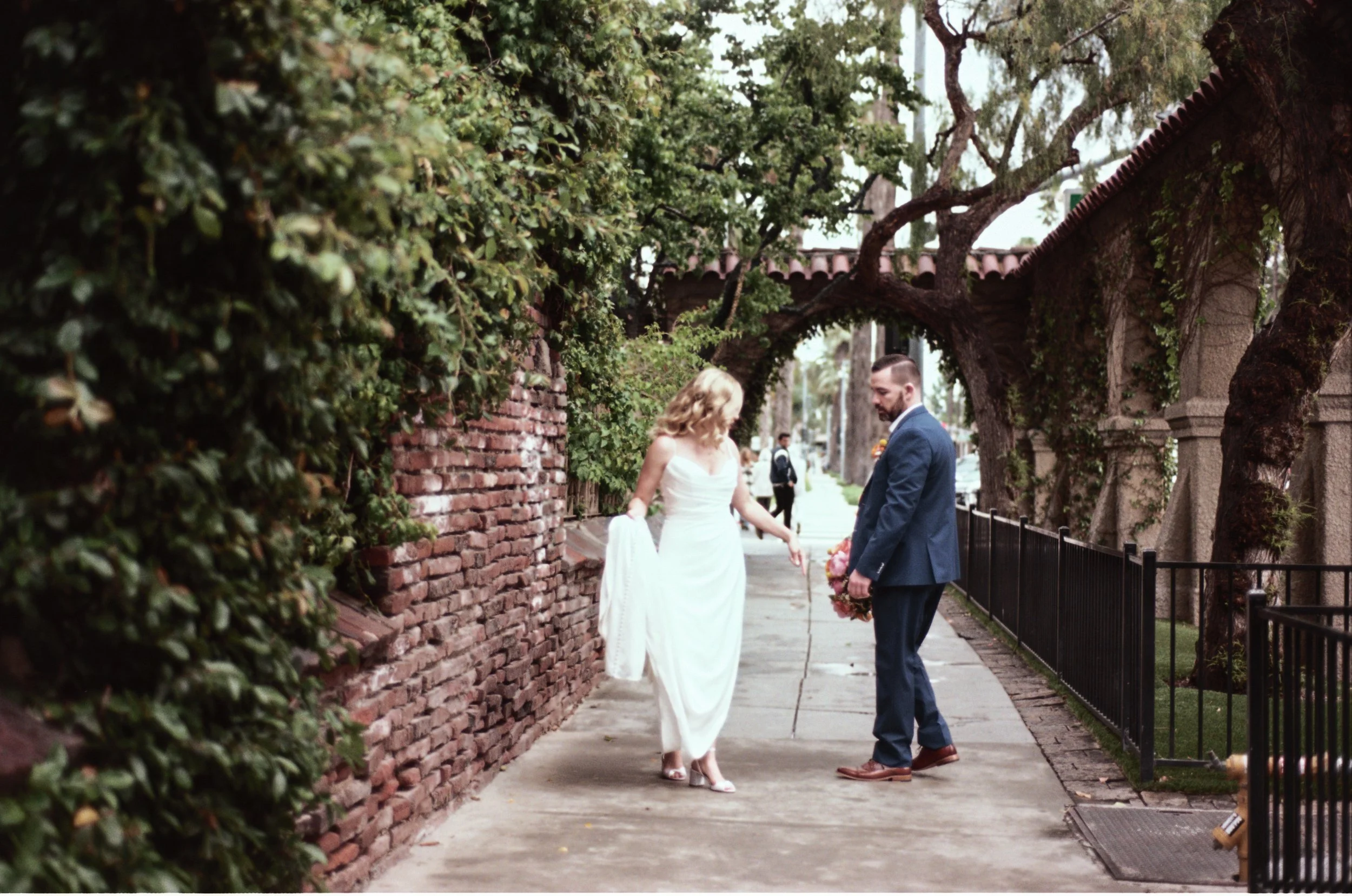
Film photography uses physical film stock rather than a digital sensor. Each frame is developed in a lab and scanned — a process that produces organic grain, warm skin tones, and soft highlights that digital cameras struggle to replicate naturally.
What Film Actually Does Differently
Film isn't just a look. It's a process — and the process changes how the photographer works.
Each roll of 35mm film has 36 frames. Medium format 120mm film has 12–16 frames per roll, depending on the format. Every frame costs money (film plus development plus scanning), and there's no reviewing the shot on a screen after you take it. You shoot, you trust, and you wait.
This changes everything about how a film photographer approaches a scene. There's no spray-and-pray. No taking 40 frames of the same moment and choosing the best one in post. Every shutter click is a decision — a belief that this moment, right now, is worth a frame. That intentionality shows in the work.
What film does technically: medium format film captures a wider dynamic range than most digital sensors, which means richer detail in both shadows and highlights simultaneously. Skin tones render with a warmth and depth that digital struggles to match naturally. The grain is organic and adds texture rather than degrading the image. Highlights fall off softly instead of blowing out suddenly. And every roll from every lab has slight variations that make film images feel one-of-a-kind.
What film does emotionally: it slows things down. When a photographer is shooting intentionally, the subjects respond to that presence. There's less clicking, less repositioning, less direction — and often more genuine moments.
Is It Real Film or Just a Preset? How to Tell the Difference
This is important, because the market is full of photographers who shoot digitally and apply a film-simulation preset in Lightroom. The result can be beautiful — but it's not film, and couples who are drawn to the real thing can usually tell.
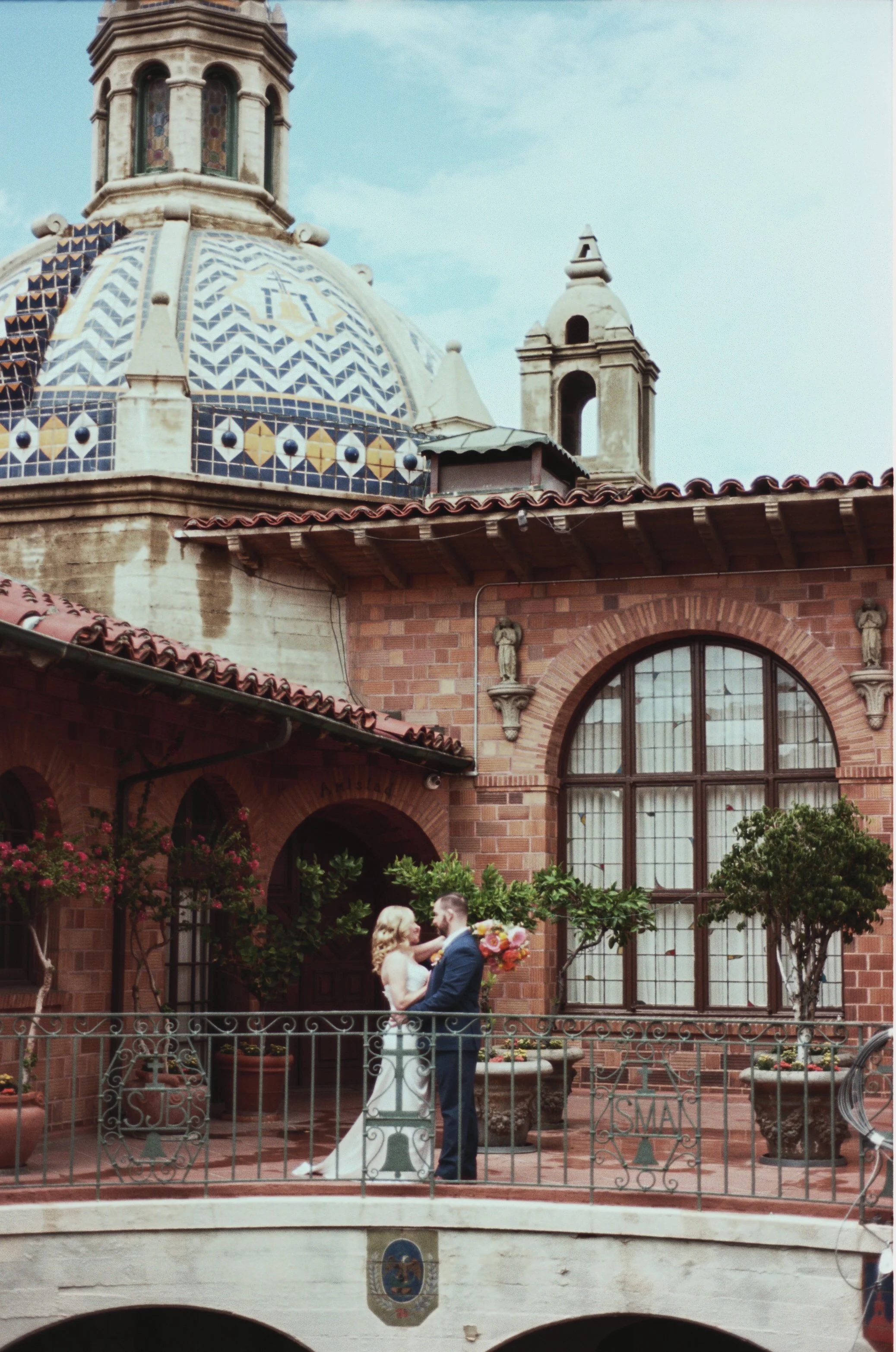
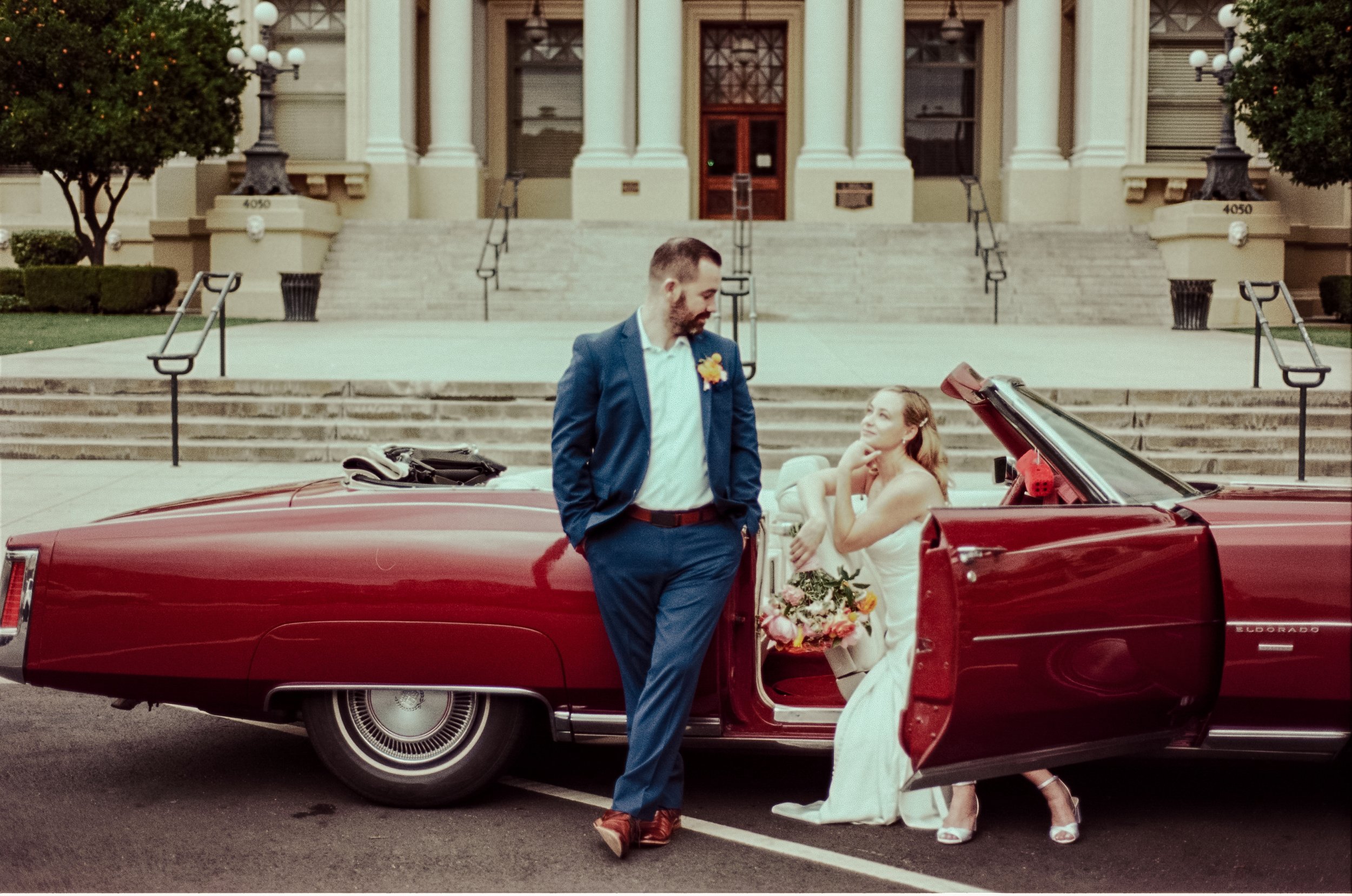
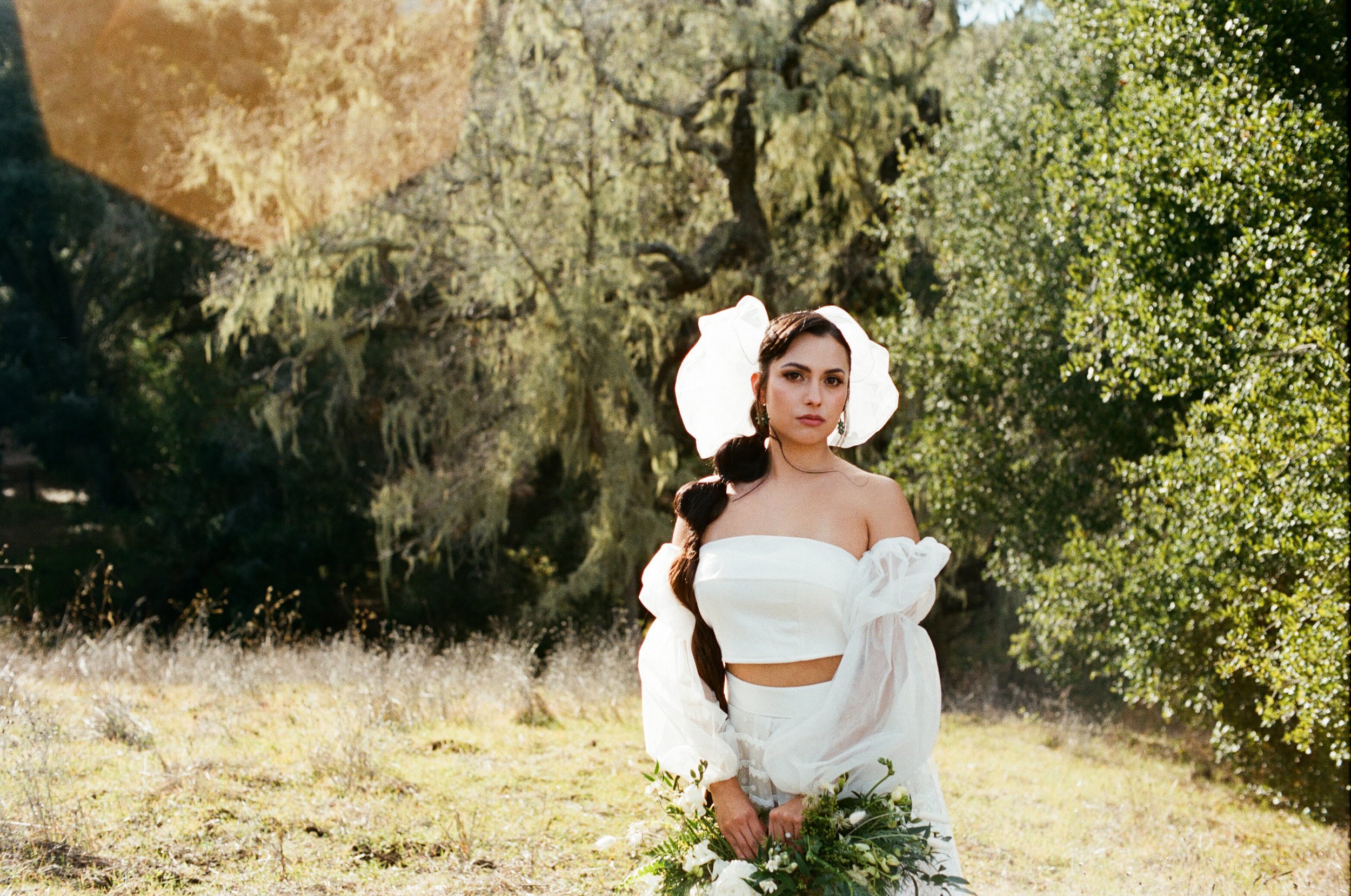
Real film photographs have: organic grain that shifts across the frame rather than being uniform, genuine color rendering that comes from chemistry rather than code, slight variations between frames and rolls, and a tonal quality that's difficult to fully replicate in post-processing.
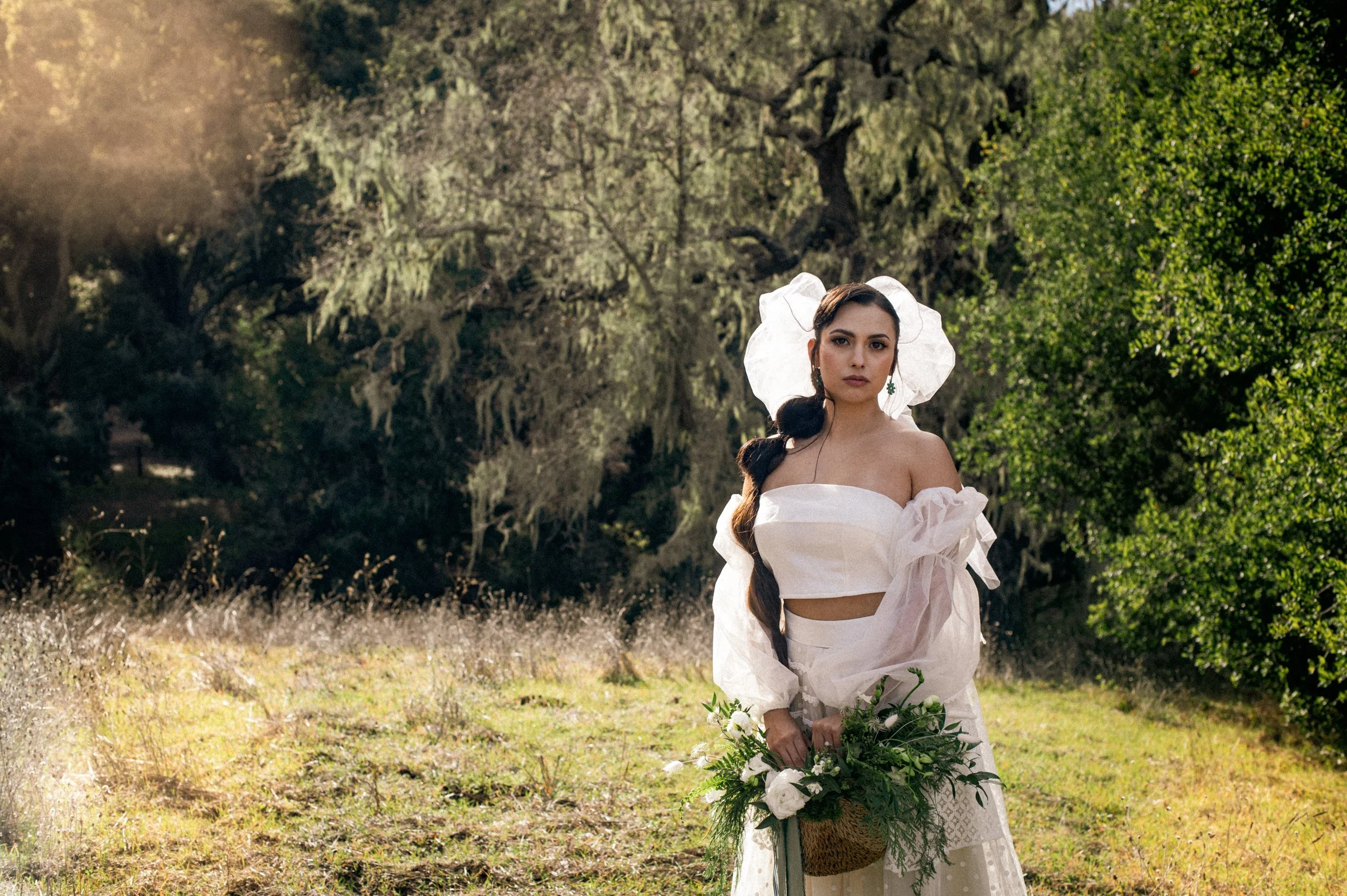
Digital-with-film-preset photographs have: uniform grain applied as a texture layer, color grading that's consistent because it's algorithmic, and a precision that gives them away to a trained eye.
Neither is objectively better — but if you're specifically drawn to film, you want to make sure you're getting film. Ask your photographer: do you shoot on actual film, or do you apply film-style editing in post? A real film photographer will be specific about the stocks they use, the labs they develop with, and how film is woven into their coverage.
⬇ Film
⬇ Digital-with-film-preset
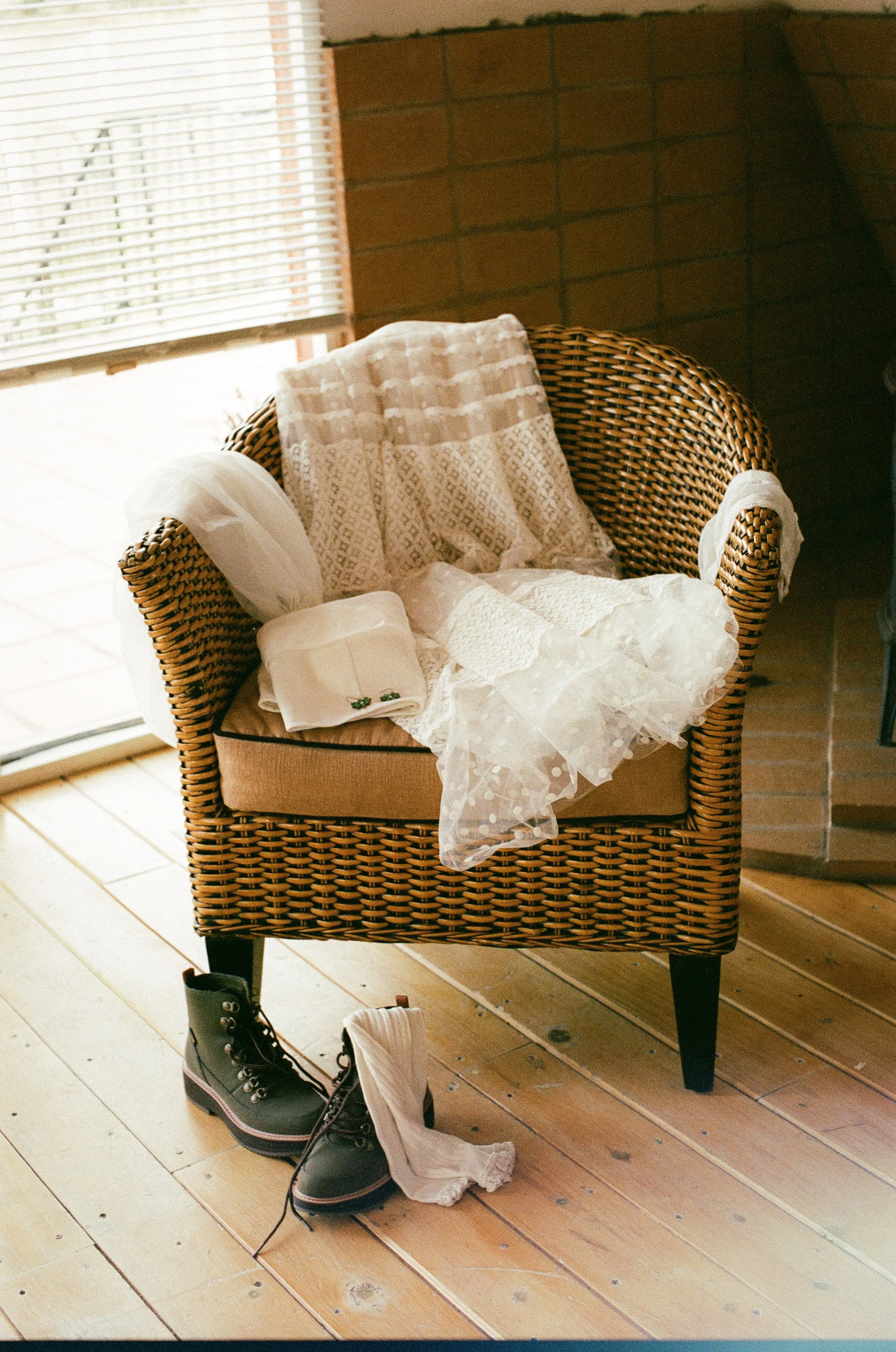
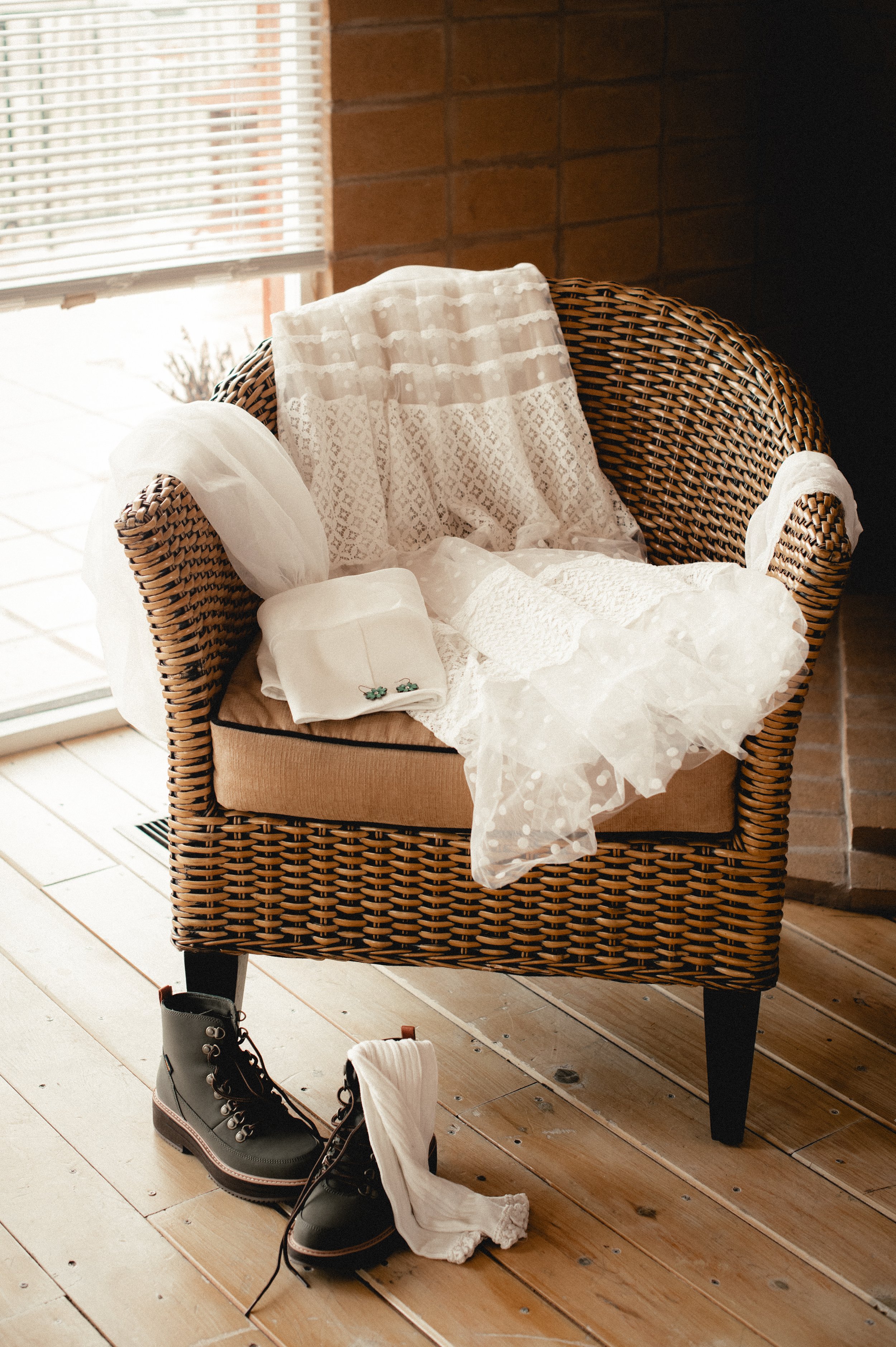
How I Use Film
I shoot 35mm film alongside digital coverage at every session and wedding, and medium format 120 film is available as an add-on.
Medium format film is my favorite format. It delivers a richness and warmth that 35mm and digital can't fully replicate. The details. The skin tones. The soft highlights. It's the format that makes an image feel less like a photograph and more like a memory you can hold.
This also removes a sentence fragment at the end of the original. The code block in this post only explains what medium format is, so it can stay.
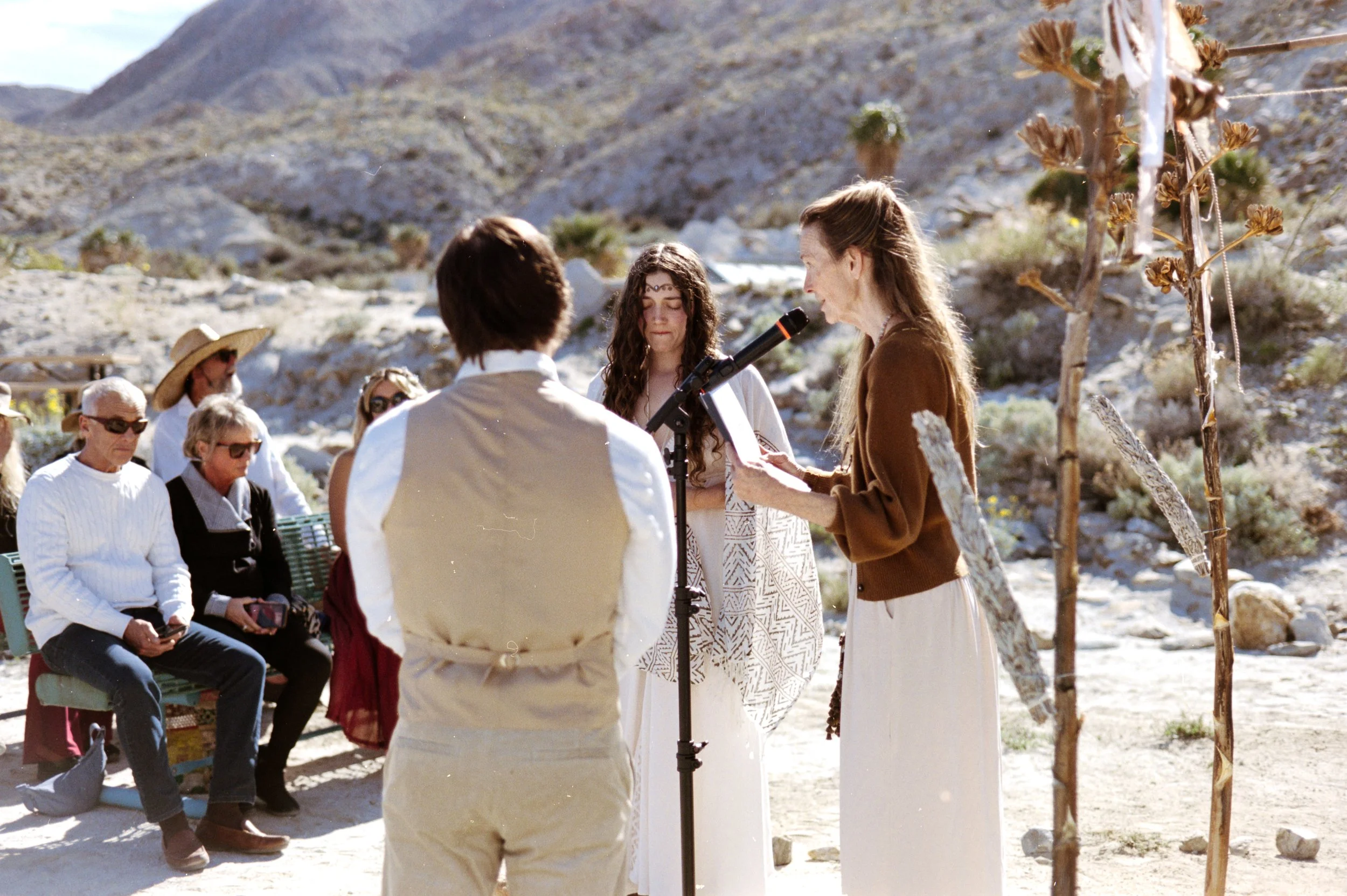
I also use 35mm for specific moments — the grain, the speed, the slightly grittier quality that suits candid, in-between moments beautifully.
For same-day Polaroids, I use instant film — each couple gets a set of Mini Polaroid prints from their day, something physical to hold while the rest of their gallery is being processed.
All Two-Day Experience packages include 4x6 prints of the film captures, delivered with the gallery. Film is not an add-on in my work. It's part of how I document from the first frame to the last.
What to Look for in a Film Wedding Photographer
Actual film in the portfolio. This sounds obvious, but look closely. Film has a specific quality — the grain, the tonal range, the color rendering — that's distinct from digital-with-preset. If you can't tell from looking, ask directly.
Specificity about their process. A photographer who shoots on film should be able to tell you exactly what stocks they use, which labs they develop with, and how they integrate film into their coverage. Vague answers are a red flag.
Intentional framing. Film photographers tend to shoot differently than digital photographers — fewer frames, more deliberate composition, less dependence on post-processing to make the image work. You can often see this in a portfolio by looking at how the images feel, not just how they look.
Honesty about what film means for turnaround. Film takes longer than digital — development, scanning, and editing film adds time to the delivery process. My galleries typically take 6-12 weeks(depends on the season). That's normal for a photographer who's doing film properly. If a photographer promises film results in two weeks, ask how they're achieving that.
Alignment on values. Gen Z couples choosing film photography are often drawn to photographers who share a certain set of values: slowness, craft, authenticity, sustainability, inclusion. Look for a photographer whose approach to their work resonates with how you approach your life.
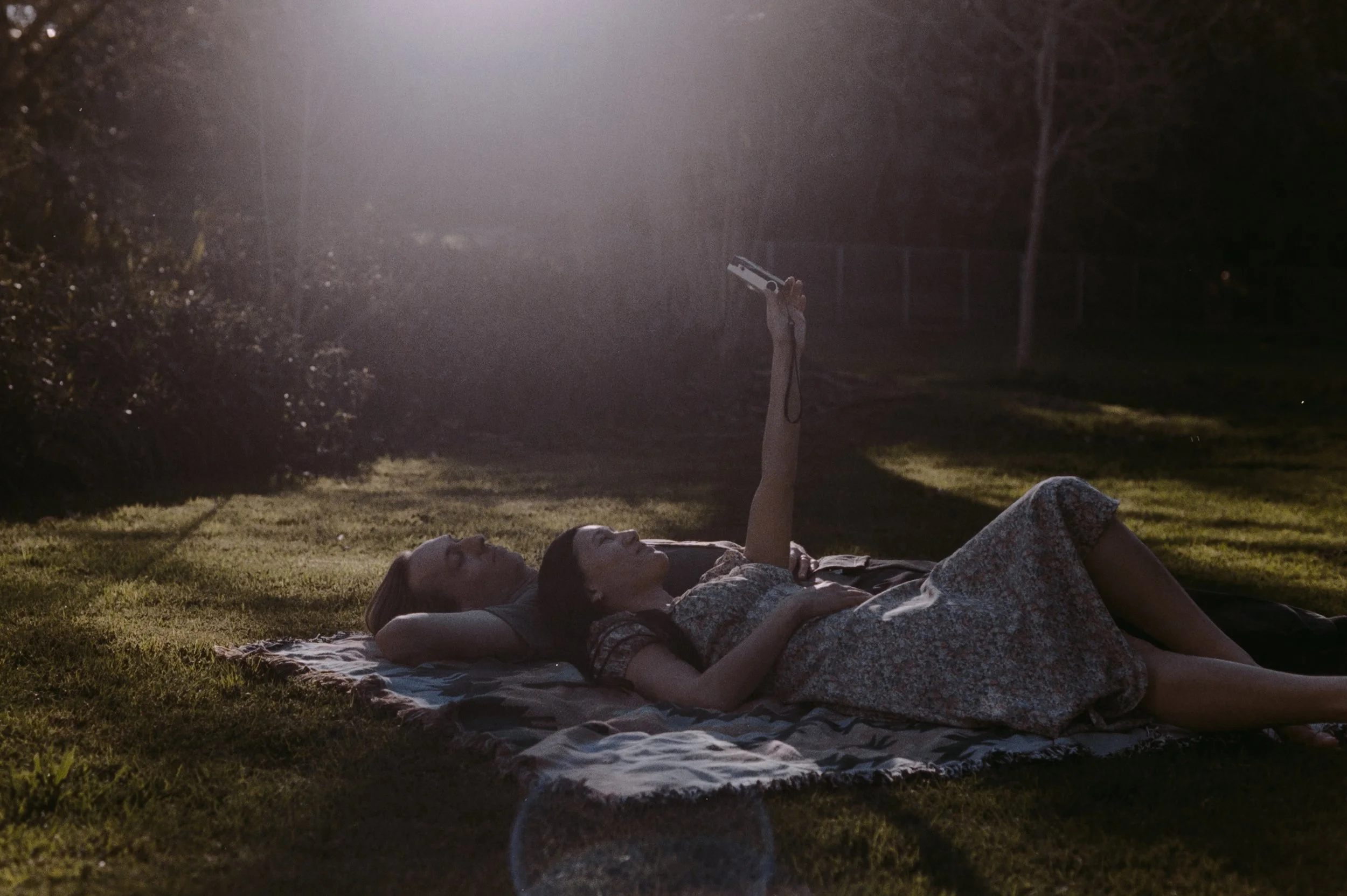
Is Film Right for Your Wedding?
Film is right for you if you want images that feel like memories rather than productions. If you're drawn to warmth, texture, and a certain timeless quality. If you want a photographer who's fully present rather than clicking constantly. If you want something in your hands — a physical print, a Polaroid, a roll of negatives — and not just files on a hard drive.
Film isn't right for everyone, and that's fine. Some couples want crisp, high-resolution digital images. Some need a faster turnaround than film allows. Some don't connect with the aesthetic. Those are all valid choices.
But if you've been drawn to film photography, it's usually for a reason. Trust that instinct.
Let's Talk
If you're a couple who wants real film, an unhurried experience, and images that look like nothing else — I'd love to hear about your vision.
→ Start your inquiry at marielacampbell.com/contact
→ The Two-Day Experience — film throughout, across two days: marielacampbell.com/two-day-elopement-micro-wedding-film-photography